
IP cameras
Eight megapixel and higher, indoor and outdoor housings, fixed and pan-tilt-zoom. Bullet, dome, and turret form factors.
Real surveillance gear, not a stack of plastic doorbells. Eight megapixel sensors, PoE so there is one cable instead of two, night vision that works, and local recording on your network. Remote review when you want it, no subscription required to get into your own footage.
Most off-the-shelf camera kits compress your footage, upload it to someone else's cloud, and ask you to pay every month to get it back. IP cameras over PoE keep the recording on your own network video recorder. You can pull clips, scrub timelines, and export footage without asking anyone for permission.
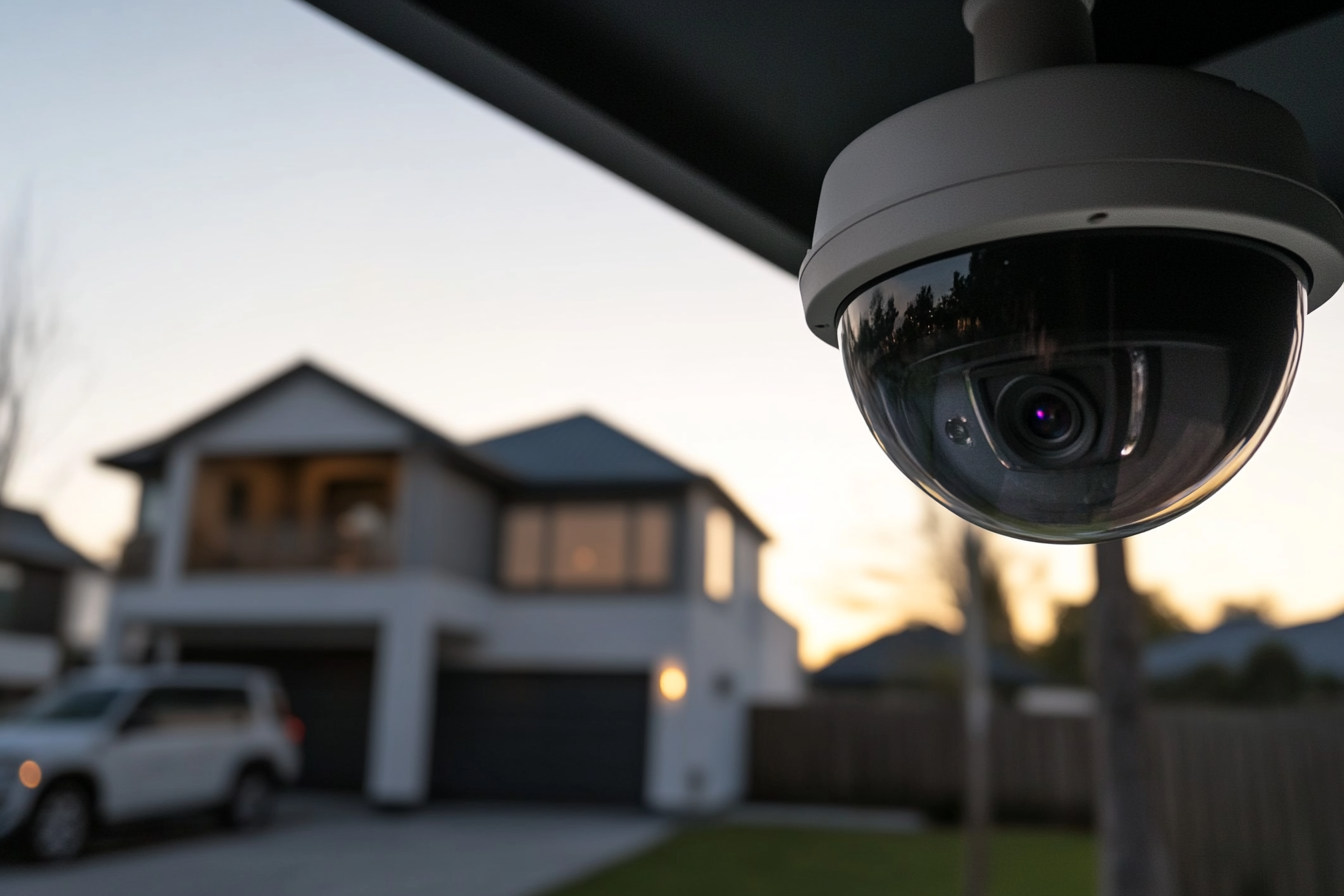
Cameras are one part of it. The rest is the wiring, the recorder, the access, and the way the footage shows up when you ask for it. We build the whole stack.
Eight megapixel and higher, indoor and outdoor housings, fixed and pan-tilt-zoom. Bullet, dome, and turret form factors.
Real infrared and low-light sensors. Plates and faces stay legible in the dark, not just movement.
Local NVR sized to the camera count and retention window. Recording stays on your network, not someone else's cloud.
Power over Ethernet switching for the camera fleet. One cable per camera, sized to the wattage load.
Smart doorbells, integrated where they belong. Ring, Unifi Protect, and others, picked to match the system.
Phone and tablet access to live and recorded feeds. Secured with proper VLANs and no open ports to the internet.
"Eight megapixels means you can actually read the plate."
No. We install systems with local recording on a network video recorder. Remote access is built into the apps and does not require a monthly fee. If you want cloud backup of clips, that is an option, not a requirement.
It depends on the property. Most single-family homes land between four and eight cameras. Larger lots or multiple structures push higher. We map it during the consultation.
Yes. Recording, motion detection, and local review all keep working without internet. You lose remote access until the connection comes back, but the footage keeps recording.
Usually yes. We can often reuse the existing cable runs if they are Cat5e or better. Older coax-based systems get replaced with proper IP infrastructure.
Yes. Cameras live on a separate VLAN with no direct internet access. Remote viewing goes through the manufacturer's app or your own VPN, not by punching holes in your firewall.